Phishing attacks continue to evolve, leaving even the most security-conscious individuals and organizations at risk. With headlines featuring phishing attack news almost weekly, it's clear that these cybercriminals are becoming more sophisticated. But what tactics are they using, and how can you stay ahead of them?
This guide breaks down the anatomy of modern phishing scams, explores the techniques that attackers are deploying today, and provides actionable tips to bolster your defenses. By analyzing the latest cybersecurity alerts, we’ll arm you with the knowledge to protect your systems and data.
What Are Phishing Attacks?
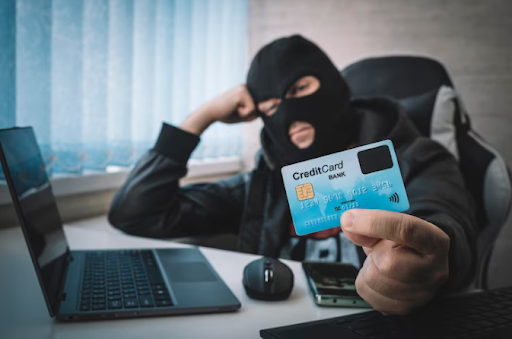
Before we dig into the latest methods, it's essential to understand phishing. A phishing attack is a type of cyber scam where attackers use deceptive emails, messages, or websites to trick individuals into revealing sensitive information such as passwords, credit card details, or login credentials. These attacks succeed because they exploit human psychology—trust, urgency, or curiosity.
The trends? Phishers are pivoting from generic scams to highly targeted campaigns, often referred to as spear phishing, to extract maximum profit with minimal effort.
Why Phishing Attacks Are on the Rise?
The reasons behind the surge in phishing attack news and cybersecurity alerts include:
Remote Work Expansion: The rise of remote work environments has given attackers more vectors to exploit, such as unsecured home networks and poorly monitored cloud platforms.
Sophistication of Tools: Tools like AI and machine learning are now making it easier for attackers to design convincing fake websites, mimic legitimate email formats, or even craft socially engineered attacks at scale.
Global Digitalization: With the world becoming more interconnected, the attack surface has widened—more emails, more businesses online, increasing reliance on digital systems.
Inside the Latest Phishing Scams
1. Clone Phishing – A Perfect Replica
One of the top trends in phishing attack news involves clone phishing. This method takes a legitimate email that the victim has previously received and creates an almost-perfect replica. The attacker slightly modifies the content—for example, changing a link to redirect to a fake login page.
Real-world example:
An employee receives what looks like an email from their company’s HR department asking them to confirm their payroll details. Without verifying the URL or sender, they submit credentials, granting attackers full access.
2. Credential Harvesting Through Fake SaaS Platforms
Phishers know that businesses depend heavily on SaaS platforms like Microsoft 365, Slack, and Google Workspace. By creating fake login pages nearly indistinguishable from the real ones, attackers lure users into entering their credentials, often bypassing two-factor authentication through reverse-proxy phishing kits.
Key characteristic: These fake pages are carefully hosted on URLs resembling legitimate domains (e.g., google-secure-login[.]com).
3. Business Email Compromise (BEC) – Big Stakes
BEC is not your run-of-the-mill phishing tactic; it involves deep research. Fraudsters impersonate C-suite executives, finance departments, or key stakeholders to trick employees into transferring funds or sharing confidential data.
Red flag: Requests for urgent actions without formal procedures or a sudden deviation in communication style.
4. Gift Cards and Financial Incentives
Personalized scams, often targeting employees, claim they’ve won a gift card “from HR” as part of a morale-boosting initiative. Clicking the fraudulent link infects the system with malware or spyware.
Cybersecurity experts warn: Gift card scams are particularly effective around holiday seasons or company events.
5. Smishing and Vishing on the Rise
Phishing has gone beyond email—with smishing (SMS scams) and vishing (voice phishing). Attackers send fake links through texts or use deep fake voiceovers to impersonate executives. For businesses relying on mobile communications, this tactic can be catastrophic.
Anatomy of a Phishing Attack
Understanding how phishing campaigns unfold can help you detect and disrupt them early. Here’s a breakdown of the general stages:
The Lure
Attackers craft a seemingly legitimate email, SMS, or call to engage the recipient. Common themes include account deactivation warnings (“Your account will be locked in 24 hours”) or special offers.
The Hook
Embedded links or file attachments carry the malicious payload. This might redirect to bogus login pages, install malware, or track your keystrokes.
The Data Extraction
Once the victim submits information or installs malware, attackers use the stolen data immediately or sell it on the dark web.
The Aftermath
Businesses often suffer financial losses, reputational damage, and compliance fines for breaches involving sensitive customer information.
How to Protect Against Phishing Scams?
Implement Advanced Email Screening Tools
Use AI-powered email security solutions to identify and quarantine suspicious emails. Tools like Proofpoint or Barracuda can detect red flags like domain spoofing or unusual sender behavior.
Educate Employees Regularly
Human error is a significant vulnerability in cybersecurity. Conduct regular training sessions to help employees:
- Identify phishing red flags (e.g., misspellings, unsolicited attachments).
- Double-check senders' email addresses and links before taking action.
- Report suspected phishing attempts immediately to IT.
Enable Multi-Factor Authentication (MFA)
While phishers now attempt to bypass MFA, it remains a vital layer of protection. Coupled with robust monitoring systems, it ensures attackers can't easily access an account with just a stolen password.
Deploy a Zero Trust Framework
A Zero Trust approach ensures that no user or device is trusted by default, emphasizing strict identity verification. This minimizes the damage from credential theft.
Monitor Cyber Security Alerts
Stay vigilant by subscribing to cybersecurity alerts from trusted organizations like Security Daily Review or NIST. These alerts often include intel on emerging phishing tactics and guidance for mitigating risks.
Phishing Simulation Exercises
Put your defenses to the test by running phishing simulations for employees. These mock attacks help identify weak points and improve overall resilience.
The Business Cost of Falling for a Phishing Scam
The immediate consequences of phishing include stolen data, financial loss, and system infections. However, the broader impact can devastate businesses:
Legal Costs: Data breaches may lead to regulatory fines under laws like GDPR or CCPA.
Brand Damage: Customers lose trust in companies that fail to protect their data.
Operational Downtime: Systems infected by ransomware or malware can lead to days—if not weeks—of downtime.
Consider this sobering statistic from the 2022 Data Breach Investigations Report: 36% of breaches involved phishing as their entry point.
Staying Ahead of the Phishers
No one is immune to phishing, but vigilance and preparation make all the difference. By proactively educating teams, enhancing defenses, and staying informed with the latest phishing attack news, businesses can better safeguard their systems and reputations.
Cybercriminals may be evolving, but so are the solutions. AI-enabled security tools, regular cybersecurity alerts, and adopting a company-wide culture of caution can shrink the window of opportunity for attackers.
Take Action Today
Worried about your company's vulnerability to phishing scams? Start by sharing this knowledge with your team and reviewing your current defenses. Don’t wait until an attack hits—stay ahead of the curve with proactive monitoring and cutting-edge cybersecurity practices.