
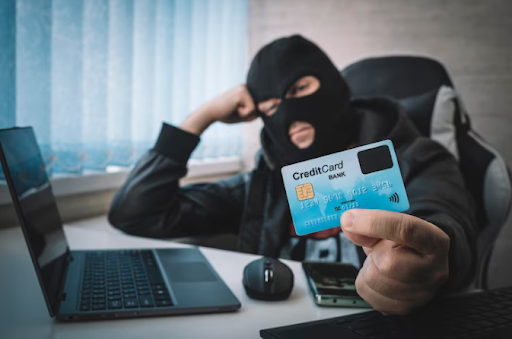
In the blink of an eye, phishing attacks have become one of the most significant cyber threats facing businesses today. With attackers getting more sophisticated by the day, it’s crucial for companies to stay ahead of the curve. This isn't just about avoiding a few malicious emails; it's about protecting your company's data, finances, and reputation.
The Rising Tide of Phishing Attacks
Phishing attacks aren't new, but their prevalence and complexity have surged recently. From January to June 2023 alone, phishing attack news have increased by 40%. Businesses, regardless of their size, are increasingly becoming targets. Attackers use cleverly disguised emails, messages, and even phone calls to trick employees into revealing sensitive information.
Understanding Phishing
Phishing is a form of cyber attack where hackers impersonate legitimate entities to steal sensitive information. These could be login credentials, financial data, or personal details. The emails often look authentic, coming from seemingly trusted sources, making them incredibly difficult to identify.
Why Are Businesses Prime Targets?
Businesses hold a treasure trove of valuable data, including customer information, financial records, and intellectual property. A single successful phishing attack can compromise this data, leading to severe financial and reputational damages. With remote work on the rise, the attack surface for businesses has expanded, making it even more crucial to stay vigilant.
Common Types of Phishing Attacks
Phishing attacks come in various forms. Some of the most common include:
Spear Phishing
Targeted attacks aimed at specific individuals within an organization. These emails are highly personalized, making them more convincing.
Whaling
A form of phishing that targets high-profile executives. The aim is to steal sensitive information or authorize large financial transactions.
Clone Phishing
Hackers clone a legitimate email and resend it with malicious links. Because the email appears familiar, recipients are more likely to click on the harmful links.
The Financial Impact of Phishing
The financial ramifications of phishing attacks can be staggering. According to a report by the Ponemon Institute, the average cost of a phishing attack on a mid-sized company is $1.6 million. This includes direct financial losses, remediation costs, and reputational damage.
Real-World Examples of Phishing Attacks
Several high-profile companies have fallen victim to phishing attacks. In 2016, a phishing attack on Snapchat led to the leak of employee payroll data. More recently, in 2021, Colonial Pipeline fell victim to a phishing attack, resulting in a massive data breach and operational shutdown.
Identifying Phishing Emails
Spotting phishing emails can be challenging, but there are several red flags to watch out for:
Suspicious Sender Address
Always double-check the sender's email address. Hackers often use addresses that closely resemble legitimate ones.
Urgent or Threatening Language
Phishing emails often create a sense of urgency or fear to prompt quick action.
Unusual Attachments or Links
Think twice before clicking on unfamiliar attachments or links. Hover over links to check their destination before clicking.
Employee Training and Awareness
Employee training is crucial in combating phishing attacks. Regular training sessions can help employees recognize phishing attempts and respond appropriately. Simulated phishing attacks can also be an effective training tool.
Multi-Factor Authentication (MFA)
Implementing MFA adds an extra layer of security. Even if a hacker obtains login credentials through a phishing attack, they would still need the second form of authentication to access the account.
Email Security Solutions
Investing in robust email security solutions can help filter out phishing emails before they reach employees' inboxes. These solutions use advanced algorithms and machine learning to identify and block malicious emails.
Creating a Response Plan
Having a well-defined response plan is crucial. This plan should outline the steps to take in the event of a phishing attack, including whom to contact and how to mitigate the damage.
Regulatory Compliance
Many industries have regulations that require businesses to implement specific security measures to protect sensitive data. Compliance with these regulations can help mitigate the risk of phishing attacks.
The Role of Cyber Insurance
Cyber insurance can provide financial protection in the event of a phishing attack. It can cover costs related to data breaches, legal fees, and even public relations efforts to repair reputational damage.
Building a Culture of Security
Creating a culture of security within your organization is critical. Encourage employees to take an active role in cybersecurity today by reporting suspicious emails and staying informed about the latest threats.
Conclusion
Phishing attacks are a growing threat that businesses cannot afford to ignore. By understanding the nature of these attacks and implementing robust security measures, businesses can protect themselves and their valuable data. Stay vigilant, stay informed, and remember that the best defense is a proactive approach to cybersecurity.
For businesses looking to enhance their cybersecurity strategies, staying updated with the latest news about phishing and other cyber threats is essential. Ensure your organization is well-protected against these evolving threats by investing in employee training, advanced security solutions, and a comprehensive response plan.