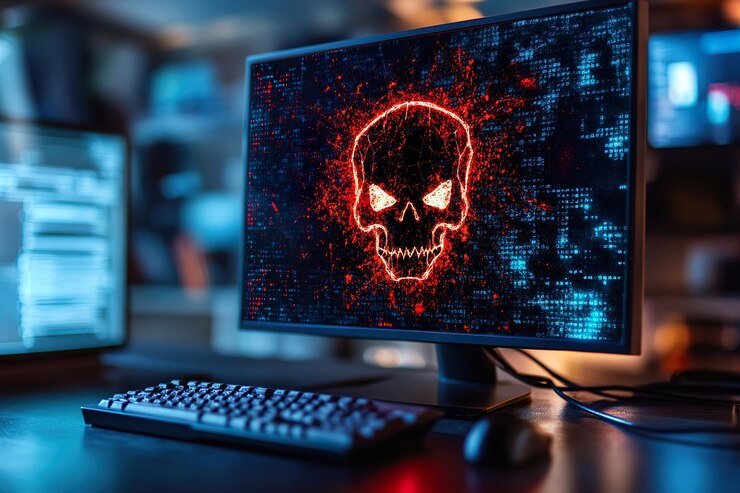
In today's digital landscape, cyberattacks have become a growing concern for individuals, businesses, and governments. Cybercriminals constantly develop new ways to exploit vulnerabilities, steal sensitive information, and cause financial or reputational damage. Among the various cyber threats, ransomware and phishing attacks are among the most common and devastating. Understanding these attacks is crucial in protecting yourself and your organization from falling victim.
This blog explores the most common types of cyberattacks, how they work, and ways to prevent them. By the end, you'll have a clearer understanding of cyberattack, cyber threats and best practices to stay safe online.
1. Ransomware Attacks
What is Ransomware?
Ransomware is a type of malware that encrypts a victim's files, rendering them inaccessible until a ransom is paid to the attacker. These attacks have surged in recent years, often targeting businesses, healthcare institutions, and government agencies.
How Does Ransomware Work?
Infection: Ransomware typically spreads through malicious email attachments, compromised websites, or software vulnerabilities.
Encryption: Once executed, the malware encrypts files and locks the user out.
Ransom Demand: A ransom note appears, demanding payment (often in cryptocurrency) in exchange for the decryption key.
How to Prevent Ransomware Attacks?
Keep software and operating systems updated.
Use strong, up-to-date antivirus software.
Regularly back up important files to an offline or cloud storage system.
Avoid clicking on suspicious links or downloading attachments from unknown sources.
Implement multi-factor authentication (MFA) to add an extra layer of security.
2. Phishing Attacks
What is Phishing?
A phishing attack is a form of social engineering where cybercriminals send fraudulent emails, messages, or websites designed to trick individuals into revealing sensitive information, such as passwords or credit card details.
Types of Phishing Attacks
Email Phishing: Fraudulent emails that appear to come from legitimate sources.
Spear Phishing: Targeted phishing attacks aimed at specific individuals or organizations.
Whaling: Attacks targeting high-profile executives or decision-makers.
Vishing (Voice Phishing): Scammers use phone calls to extract confidential information.
Smishing (SMS Phishing): Fraudulent messages sent via SMS or messaging apps.
How to Prevent Phishing Attacks?
Verify the sender’s email address before clicking on links.
Avoid opening unexpected email attachments.
Look for red flags like urgent requests, typos, and suspicious links.
Enable spam filters and use email authentication technologies like SPF and DKIM.
Stay updated with the latest phishing attack news to recognize emerging threats.
3. Malware Attacks
What is Malware?
Malware (malicious software) is a broad term covering various types of harmful software, including viruses, worms, and spyware, designed to infiltrate and damage devices or steal data.
Common Types of Malware
Viruses: Self-replicating programs that attach to legitimate files and spread.
Worms: Standalone programs that spread without user interaction.
Trojans: Malware disguised as legitimate software to trick users into installing it.
Spyware: Secretly monitors user activities and steals personal data.
Adware: Displays unwanted advertisements, often leading to further infections.
How to Prevent Malware Attacks?
Install and regularly update antivirus software.
Download software only from trusted sources.
Keep operating systems and applications updated.
Be cautious of pop-up ads and fake software downloads.
4. Man-in-the-Middle (MitM) Attacks
What is a MitM Attack?
A Man-in-the-Middle attack occurs when an attacker intercepts communication between two parties to steal sensitive information, such as login credentials or financial data.
How MitM Attacks Work?
Attackers exploit unsecured Wi-Fi networks or compromised routers.
They intercept data exchanges between users and legitimate services.
Victims unknowingly share sensitive details with the attacker.
How to Prevent MitM Attacks?
Use secure, encrypted connections (HTTPS) for online transactions.
Avoid public Wi-Fi or use a VPN when necessary.
Implement strong authentication methods for sensitive accounts.
5. Distributed Denial-of-Service (DDoS) Attacks
What is a DDoS Attack?
A Distributed Denial-of-Service attack aims to overwhelm a website, server, or network with excessive traffic, causing disruptions or crashes.
How DDoS Attacks Work?
Attackers use a network of compromised devices (botnets) to flood a target with requests.
The target becomes overloaded, leading to service disruptions or downtime.
How to Prevent DDoS Attacks?
Implement firewalls and traffic filtering solutions.
Use a content delivery network (CDN) to distribute traffic.
Monitor network traffic for unusual activity.
6. SQL Injection Attacks
What is an SQL Injection Attack?
SQL Injection is a web-based attack where cybercriminals manipulate SQL queries to gain unauthorized access to databases and extract sensitive information.
How SQL Injection Works?
Attackers insert malicious SQL code into input fields.
The database executes the malicious query, granting access to confidential data.
How to Prevent SQL Injection Attacks?
Use parameterized queries and prepared statements in web applications.
Implement strong access control measures.
Regularly test and update website security.
7. Zero-Day Exploits
What is a Zero-Day Exploit?
A Zero-Day Exploit targets vulnerabilities in software before developers can issue a patch, making it extremely dangerous.
How Zero-Day Exploits Work?
Hackers discover and exploit unknown software flaws.
They launch attacks before security patches are available.
How to Prevent Zero-Day Exploits?
Keep all software updated.
Use behavior-based threat detection systems.
Employ a robust cybersecurity strategy with endpoint protection.
Conclusion
Cyberattacks continue to evolve, becoming more sophisticated and damaging. From ransomware news and phishing to malware and DDoS attacks, understanding these threats is the first step in staying protected. By implementing strong cybersecurity practices—such as updating software, using multi-factor authentication, and staying informed through phishing attack news—you can reduce your risk of falling victim to cyber threats.
By taking proactive measures, individuals and organizations can enhance their defenses and safeguard sensitive information against cybercriminals.